Borrowing 101: Easy Money Guides
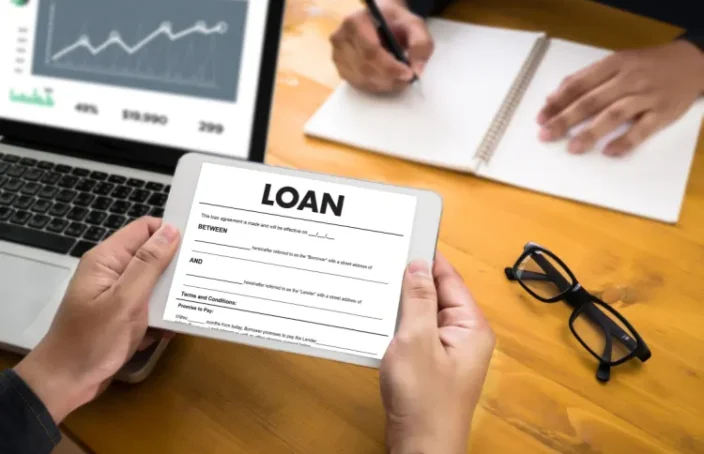
The financial team at SlickCashLoan sees many people getting into a lot of trouble by borrowing money, only to later scratch their heads over why the loan balance never seems to drop. It is rarely due to being trapped with debt. It is normally because the type of debt they borrowed was bad debt, and[…]
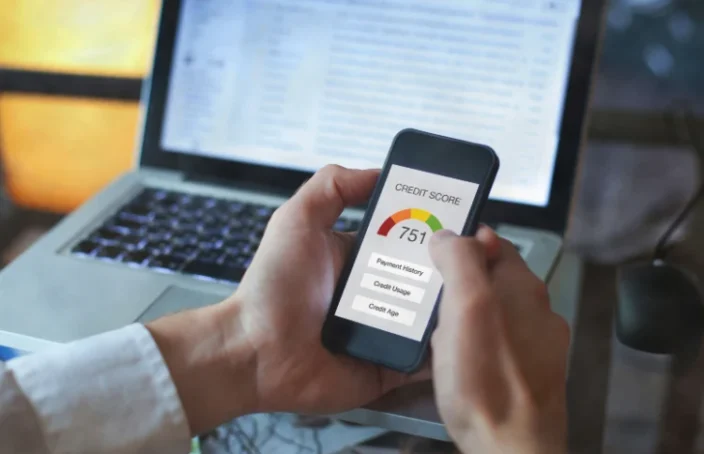
Keeping your credit scores in the best shape possible is, at best, an imperfect science. If you’re a financially responsible individual, you may believe that identity theft is the only scenario in which your credit scores could suffer without your knowledge. You’d be wrong. As unpleasant as it is to have your identity stolen, federal[…]
Unexpected emergencies can happen overnight. Whether it is a car breakdown, an unexpected medical bill, the furnace suddenly stops working, or an unanticipated job loss, one day you are financially stable and the next day you may be worried sick about paying your bills on time. Before you know it, your funds have been depleted,[…]
When you’ve been declined for a payday loan, it can be frustrating when you felt that your payday loan application was very easy. In most cases, being declined by a lender does not indicate that you made an error in your loan application process. It is generally due to a lender unable to verify at[…]
The terms pre-qualified and pre-approved are often confused with each other; however, they are essentially two distinct processes that can be very helpful to borrowers. Pre-qualified can be thought of as an initial, relatively informal examination, whereas pre-approved typically is an evaluation performed at a later time in the application process. Knowing the difference between[…]
Just because a loan carries a no credit check label doesn’t mean there isn’t any credit review. Companies may call these loans no credit check, but this does not explain what information the company will collect, whether there are other consumer reports, to whom they send the application, how much credit it will cost, what[…]
Typically, once you submit an application for credit or to establish a new account with a company, they will examine your credit history. There are two ways in which a company can access your credit information: through either a “soft inquiry” or a “hard inquiry”. While both types of inquiries allow a company to review[…]
Bad credit loans are offered for individuals who do not have good credit. This could be due to: making late bill payments, having a lot of debt, or just starting out on building credit. Although a credit score is an indicator of how well a lender thinks you will repay their loan, it does not[…]
Poor credit loans are personal loans made available to consumers with less-than-perfect credit. A bad credit lender understands that the applicant has experienced late payments or has a very limited credit history; therefore, the lender will review your income, banking history, and credit score before deciding on a loan. Bad credit personal loans are often[…]
When you compare personal loans, you will often see two different numbers. Interest rate and APR. They are similar in appearance. But they tell you different things. If you understand how each works, you will know how to judge offers with confidence. What is an interest rate? An interest rate reveals the cost of borrowing[…]