3 Hidden Reasons Your Credit Score Can Drop
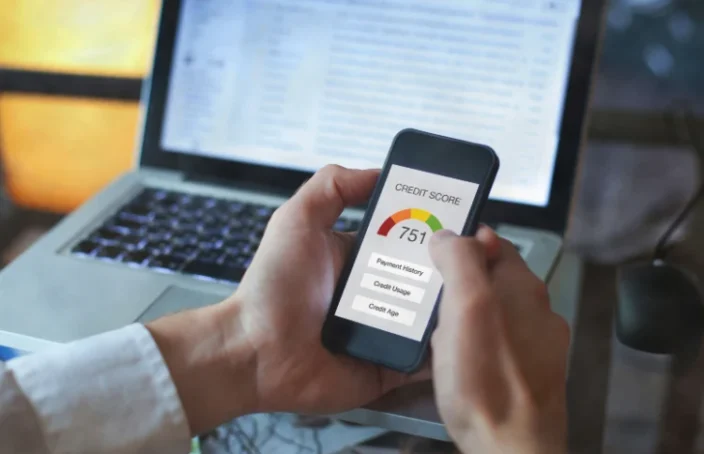
Keeping your credit scores in the best shape possible is, at best, an imperfect science. If you’re a financially responsible individual, you may believe that identity theft is the only scenario in which your credit scores could suffer without your knowledge. You’d be wrong.
As unpleasant as it is to have your identity stolen, federal guidelines make it relatively painless to reverse the damage. The true dangers are the ones that you don’t see coming. The following scenarios are much more common than identity theft and, sadly, much harder to recover from.
The people you are most likely to trust with your money, your family members, are also the ones most likely to pose a threat to your credit rating. If, for example, you share a joint credit account with your spouse, you and your spouse both have the right to spend as much of the existing credit line as you wish.
Regardless of who does the spending, however, both of you are equally on the hook for repayment. If your spouse isn’t as financially conscious as you are, you may find yourself facing a high credit card balance and significantly lower credit scores as a result.
Don’t assume you’re safe just because your spouse is frugal. If you are a parent and have added your child to your credit card account as an authorized user to help him or her build credit, your credit scores may be at risk.
Even if you refuse to give your child a card connected to the account, being an authorized user gives your child the authority to call and request one from your credit card provider. Depending on your credit card company’s notification policies, you may not discover the problem until after your child has maxed out your credit card and caused your credit scores to plummet.
Paying Off Financed Items
Nothing feels quite as good as making that very last house or car payment and knowing that big-ticket item is now really, truly yours. That final payment is a cause for celebration, but it’s also a sign to start monitoring your credit.
The credit scoring formula isn’t as simple as making payments to your existing creditors on time and not incurring too much outstanding debt along the way. Part of building and then maintaining great credit scores is carrying a balanced debt portfolio. If you have installment debts, such as long-term home and vehicle loans, along with revolving debts, such as credit cards, you have a balanced debt portfolio.
As soon as you have paid off the installment loan, there will be no more monthly updates from your bank to the credit reporting agencies. Both revolving and installment debt account for about 10 percent of your FICO Score. Even though it feels great to pay off a debt, having an active installment loan or even two can help prevent your credit scores from slowly declining after making that final payment.
“Quiet” Collections
If you don’t make payments on a loan, many lenders will contact you several times prior to sending your account balance to a collection agency. However, medical bills are often different than a regular loan.
When you visit a doctor, undergo surgery, or just have some lab work done, you may receive several different invoices from various parties involved in your care. Most people send their medical bills to their insurance company, assuming they will handle all of it.
Unfortunately, insurance doesn’t always pay for everything. Bills can be denied in whole, partially paid, or applied to your deductible. If you do not respond to a subsequent notification from a creditor regarding a missed payment or if the notification is sent to an old address, a balance can go unpaid for an extended period of time without your knowledge.
Today, most unpaid medical debt will not be reported to the national credit reporting agencies until at least a year has passed from when it went into collections, giving consumers time to dispute the charges, get the issue resolved with their insurance company, pay off the outstanding balance in installments, etc.
In addition, two new regulations have been put in place by the credit reporting industry; paid medical collections are usually removed from a consumer’s credit report as soon as payment is made, and medical collections under $500 are usually excluded from being reported. However, large unpaid medical collections may still be reported by the credit reporting agencies once the waiting period has expired and could potentially harm the consumer’s credit.
The final outcome remains a shock for individuals who may have quickly paid the outstanding amount if they had been aware of an open balance. Your best bet in this case is to be on the lookout for medical bills as soon as possible after receiving treatment, make sure to follow up with your insurance company as they send you an explanation of benefits, and monitor your credit report to catch any potential errors or surprises when they occur.
The Bottom Line
Unfortunately, paying your bills on time and limiting the amount of debt you carry isn’t always enough to ensure that your credit scores are as healthy as possible. Credit damage can still happen quietly through shared accounts, changes in your active loans, or medical bills that slip through the cracks.
The good news is that there are some protections in place now for medical debt. Collections from medical bills will take about one year to be reported as unpaid on your credit report. Also, medical collections that have been paid are usually removed. Collections of less than $500 are excluded. It is still possible for larger amounts of medical collection debt to do significant damage to your credit once you see them listed.
One of the best methods for preventing credit damage that occurs without your knowledge is to use a reputable credit monitoring service and check your credit reports regularly. Maintaining good communication with your family members and creditors will enable you to avoid most of these situations. The sooner you know about credit problems, the faster you can fix them and get your finances back on track.